
If you've ever wondered, "What Jewelry Is Worth Investing In?", the answer goes far beyond buying the most expensive piece you can afford. True investment jewelry balances quality materials, exceptional craftsmanship, durability, timeless design, and personal value. While fine jewelry made from precious metals and genuine gemstones generally offers the greatest longevity and resale value, not every worthwhile purchase has to appreciate financially. The best investment pieces are those you'll wear often, care for properly, and enjoy for years or even generations. This guide explores how to distinguish fine jewelry from costume jewelry, what materials matter most, which styles stand the test of time, and how to build a jewelry collection that delivers lasting value.
Jewelry has always been more than decoration. Across cultures and centuries, it has symbolized love, celebration, achievement, and even financial security. Yet with today's enormous variety—from affordable fashion jewelry to heirloom-quality fine jewelry—many shoppers ask the same question:
What Jewelry Is Worth Investing In?
The answer depends on what investment means to you.
For some, investment jewelry means pieces that may appreciate in value over time. For others, it means buying jewelry that maintains its beauty after years of everyday wear. Many people simply want pieces they'll never regret purchasing because they complement their personal style season after season.
Whatever your goal, understanding the differences between materials, craftsmanship, and construction helps you spend your budget wisely while building a jewelry collection you'll love for decades.
What Makes Jewelry an Investment?
Investment isn't always measured in dollars.
A well-made necklace that becomes your signature accessory for twenty years may deliver greater lifetime value than an expensive piece that rarely leaves the jewelry box.
When evaluating jewelry value, consider several factors:
- Quality materials
- Exceptional craftsmanship
- Durability
- Timeless design
- Versatility
- Cost per wear
- Potential resale value
- Emotional significance
The strongest investment pieces often combine several of these qualities.
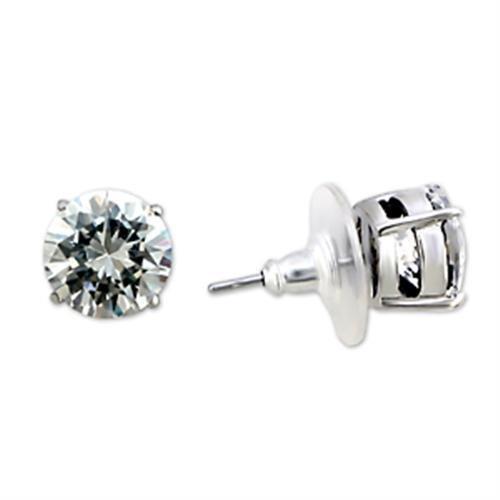
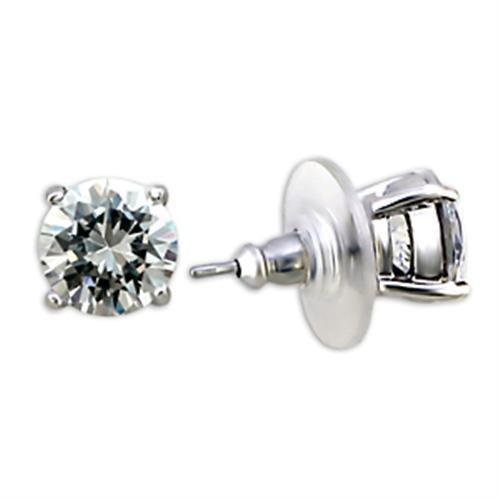
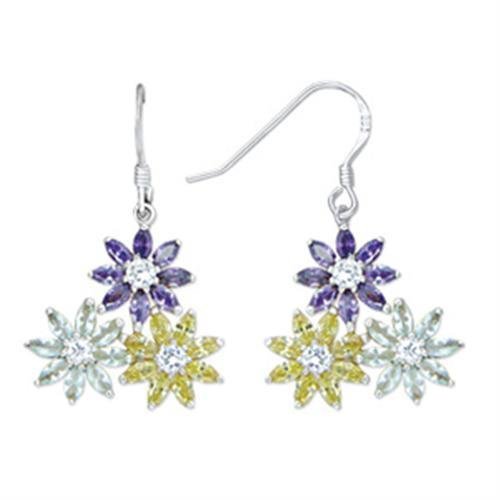
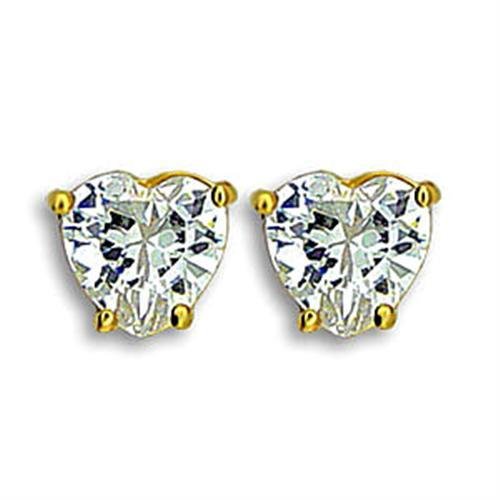
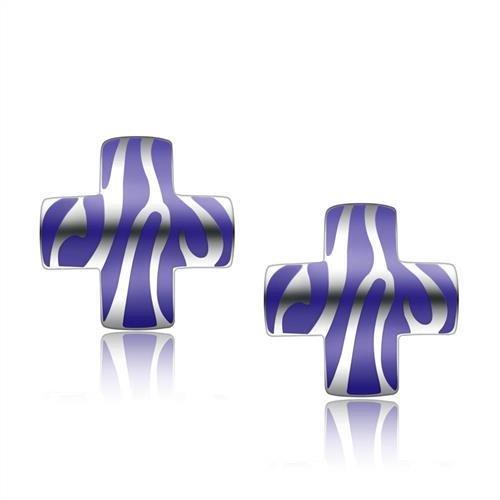
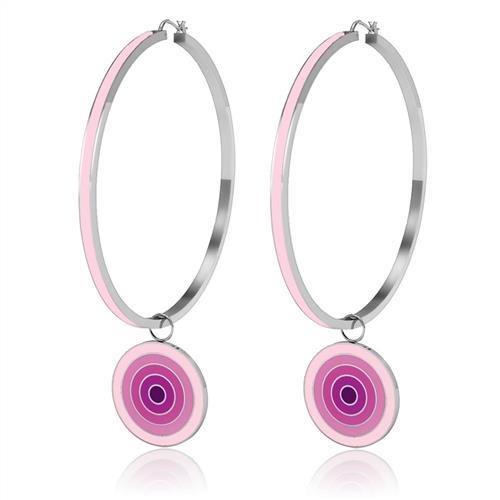
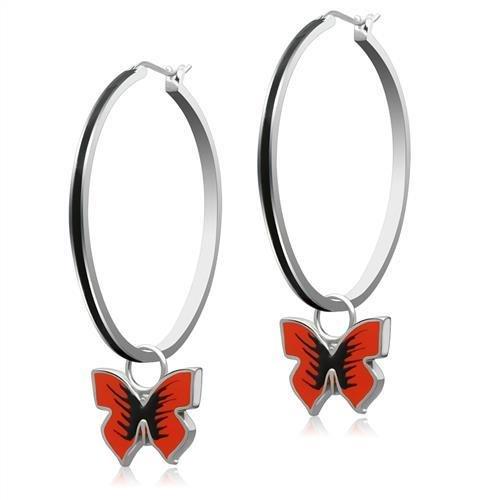
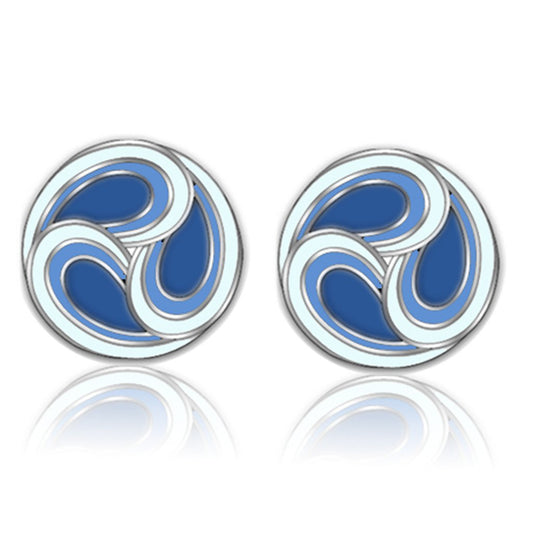
For example, a beautifully crafted pair of classic earrings can transition effortlessly from office jewelry to formal wear, making them one of the most versatile additions to any jewelry wardrobe.
Explore timeless styles in our collection of earrings designed for everyday elegance and lasting wear.
Fine Jewelry vs Costume Jewelry: Which Offers Better Long-Term Value?
Before deciding where to invest your money, it's important to understand the difference between costume jewelry, fashion jewelry, and fine jewelry.
| Fine Jewelry | Costume & Fashion Jewelry |
|---|---|
| Precious metals | Base metals |
| Genuine gemstones | Synthetic gemstones |
| Natural diamonds | Cubic zirconia (CZ), rhinestones |
| Built for longevity | Designed around trends |
| Higher durability | Shorter jewelry lifespan |
| Better resale value | Limited resale value |
Fine jewelry is typically crafted from solid gold, 14K gold, 18K gold, 925 sterling silver, or platinum jewelry, often paired with genuine gemstones such as diamonds, rubies, sapphires, or emeralds.
By contrast, fashion jewelry often uses:
- Brass
- Copper
- Zinc alloy
- Stainless steel
- Gold plating
- Rhodium plating
- Acrylic stones
- Glass stones
- Resin
- Plastic
- Crystal jewelry
- Swarovski crystals
- Lab-created stones
None of these materials are inherently "bad." In fact, accessible luxury jewelry has made beautifully designed fashion pieces more appealing than ever. However, understanding precious vs non-precious materials helps set realistic expectations for longevity and maintenance.
Key takeaway: Fine jewelry generally delivers better long-term value because it combines premium materials with superior craftsmanship and repairability.
Is Fine Jewelry Worth the Investment?
One of the most common questions buyers ask is:
Is fine jewelry worth the investment?
In many cases, yes.
Fine jewelry is specifically designed to withstand decades of wear and tear. Unlike plated jewelry, which may eventually reveal the base metal underneath, solid precious metals can often be polished, repaired, resized, and restored repeatedly throughout their lifetime.
Some reasons fine jewelry remains popular include:
- Superior durability
- Better tarnish resistance
- Greater jewelry lifespan
- Higher-quality finishes
- Better gemstone quality
- Long-term repair options
- Potential appreciation
- Family heirloom potential
Fine jewelry also offers reassurance through authenticity markers like hallmarks, certifications, and verified metal purity.
While not every piece will increase in market value, many become cherished heirloom jewelry, passed from one generation to the next.
Understanding Precious Metals
The metal forms the foundation of every piece of jewelry.
Choosing wisely affects everything from longevity and maintenance to comfort and resale value.
Gold Jewelry
Gold remains one of the world's most desirable investment pieces.
Popular options include:
- 14K gold
- 18K gold
- Solid gold
Higher-karat gold contains more pure gold, while lower-karat alloys generally improve scratch resistance for everyday jewelry.
Gold's natural resistance to corrosion and tarnish makes it an excellent choice for jewelry intended to last decades.
Sterling Silver
925 sterling silver offers an excellent balance between affordability and longevity.
Although sterling silver can develop tarnish over time, proper jewelry care—including regular cleaning jewelry routines and occasional polish—keeps it looking brilliant for years.
Whether worn alone or layered, sterling silver remains one of the most versatile choices for minimalist jewelry and capsule jewelry collections.
Discover elegant designs in our collection of necklaces that pair beautifully with both casual and formal wardrobes.
Platinum
Platinum jewelry sits at the premium end of the market.
Its advantages include:
- Exceptional durability
- Naturally white appearance
- Outstanding longevity
- Excellent hypoallergenic properties
- Superior resistance to wear
Because platinum is denser than gold, it often becomes the preferred choice for engagement jewelry and other lifetime investment pieces.
Genuine Gemstones vs Synthetic Alternatives
Not all sparkling stones are created equally.
When asking What Jewelry Is Worth Investing In?, understanding gemstones becomes just as important as understanding metals.
Natural Gemstones
Examples include:
- Diamonds
- Rubies
- Sapphires
- Emeralds
These stones often command higher prices because of their rarity, durability, and enduring demand.
Synthetic and Alternative Stones
Modern alternatives include:
- Cubic zirconia (CZ)
- Lab-created stones
- Lab-grown diamonds
- Moissanite
- Swarovski crystals
- Glass stones
Many of these options offer remarkable beauty at significantly lower prices, making them excellent choices for affordability and trend-driven jewelry.
However, they typically don't match the resale value associated with premium natural gemstones.
How Craftsmanship Influences Jewelry Value
Materials matter, but they tell only half the story.
Two rings may both be made from 14K gold, yet one can last a lifetime while the other develops loose settings, scratches easily, or requires frequent repairs. The difference often comes down to craftsmanship.
High-quality craftsmanship affects:
- Structural integrity
- Stone security
- Comfort during daily wear
- Finish quality
- Longevity
- Ease of maintenance
- Overall jewelry value
Hand-finished details, precisely set gemstones, smooth edges, and secure clasps all contribute to a piece that stands up to years of use.
While handmade vs mass-produced jewelry is an ongoing discussion, excellent quality control is ultimately more important than how a piece is manufactured. Well-designed jewelry should feel balanced, comfortable, and durable from the moment you put it on.
Tip: Before purchasing investment jewelry, inspect the finish, clasps, prongs, and settings carefully. Small details often reveal the overall quality of a piece.
Can Costume Jewelry Be Worth Buying?
Absolutely.
A common misconception is that costume jewelry has little or no value. While it may not offer the same resale potential as fine jewelry, it certainly has its place within a well-rounded jewelry collection.
Many people enjoy costume jewelry because it offers:
- Affordable access to current jewelry trends
- Bold statement jewelry without a large investment
- Greater variety for different outfits
- Lower financial risk while travelling
- Fun seasonal accessories
This raises another common question:
Is costume jewelry fake?
Not necessarily.
Costume jewelry simply refers to jewelry made primarily from base metals and alternative materials instead of precious metals and natural gemstones. It is designed to prioritize style, affordability, and versatility rather than intrinsic material value.
Some premium fashion jewelry uses excellent construction techniques and high-quality plated metal finishes, creating beautiful pieces that can last for years with proper care.
The key is understanding the intended purpose of each purchase.
Costume Jewelry vs Fine Jewelry: Which Lasts Longer?
When comparing costume jewelry vs fine jewelry, longevity is one of the biggest differences.
Fine jewelry is specifically engineered for decades of regular use, while fashion jewelry often prioritizes contemporary design over lifetime durability.
Several factors influence jewelry lifespan:
Metal Quality
Solid precious metals generally outperform plated jewelry because they don't rely on a thin surface coating that can eventually wear away.
Stone Settings
Professionally set genuine gemstones are usually more secure than glued acrylic stones or rhinestones commonly found in inexpensive fashion jewelry.
Daily Wear
Everyday jewelry experiences constant exposure to:
- Moisture
- Cosmetics
- Friction
- Cleaning products
- Sweat
- Sunlight
These factors gradually affect all jewelry, but premium materials typically resist wear more effectively.
Maintenance
Even luxury pieces require regular jewelry maintenance.
Proper storage, gentle cleaning jewelry techniques, and occasional professional inspections help preserve both appearance and structural integrity.
Does Gold-Plated Jewelry Tarnish?
Another frequently searched question is:
Does gold-plated jewelry tarnish?
Gold plating itself doesn't technically tarnish in the same way sterling silver does.
Instead, the thin layer of gold gradually wears away through everyday use, exposing the underlying base metal. Depending on whether the core is brass, copper, or zinc alloy, discoloration or corrosion may eventually become visible.
Several factors influence how long gold plating lasts:
- Thickness of the plating
- Frequency of wear
- Exposure to water
- Lotions and perfumes
- Sweat
- Storage conditions
This doesn't mean gold-plated jewelry should be avoided—it simply means expectations should match the material.
If you're looking for jewelry you'll wear daily for many years, solid gold or sterling silver generally offers better long-term value.
Building an Investment Jewelry Collection
Rather than purchasing dozens of trend-driven accessories, many jewelry experts recommend gradually building a carefully curated collection of timeless investment pieces.
Consider starting with versatile essentials that complement nearly every outfit.
A balanced jewelry wardrobe often includes:
- A classic everyday necklace
- Elegant stud or hoop earrings
- A versatile bracelet
- One or two signature rings
- A special occasion statement piece
These staples create the foundation of countless looks while maintaining their relevance regardless of changing fashion trends.
Explore our carefully curated collection of bracelets to find timeless pieces that pair effortlessly with both casual and formal styles.
Choosing Jewelry That Matches Your Lifestyle
The most valuable jewelry isn't always the most expensive—it's the jewelry you'll actually wear.
Before making a purchase, ask yourself a few practical questions:
- Will I wear this every week?
- Does it suit my personal style?
- Can it transition between casual and formal occasions?
- Is it comfortable enough for daily wear?
- Will I still love it five or ten years from now?
For many people, a smaller collection of versatile, timeless jewelry delivers better lifetime value than owning dozens of trend-focused pieces that rarely leave the jewelry box.
This is where concepts like cost per wear become especially useful.
For example, a necklace worn 300 times over several years often provides far greater value than an expensive statement piece worn only once or twice.
Fine Jewelry Meaning vs Fashion Jewelry Meaning
Many shoppers use these terms interchangeably, but they describe different categories.
Fine Jewelry Meaning
Fine jewelry refers to pieces crafted using precious metals and premium materials, often featuring genuine gemstones and designed for exceptional longevity.
Characteristics include:
- Precious metals
- High-quality craftsmanship
- Repairable construction
- Long lifespan
- Potential resale value
- Heirloom quality
What Is Fashion Jewelry?
Fashion jewelry focuses primarily on style, affordability, and current trends.
Common characteristics include:
- Base metals
- Plated finishes
- Synthetic gemstones
- Contemporary designs
- Lower purchase price
- Frequent seasonal updates
Neither category is inherently better—they simply serve different purposes.
Many collectors enjoy combining investment jewelry with carefully selected fashion jewelry to create a wardrobe that's both practical and expressive.
Modern Investment Trends in Jewelry
Today's buyers are looking beyond traditional diamonds and precious metals.
Several emerging categories are becoming increasingly popular among shoppers seeking long-term value and responsible purchasing decisions.
These include:
- Demi-fine jewelry
- Bridge jewelry
- Vermeil jewelry
- Gold-filled jewelry
- Sustainable jewelry
- Ethical jewelry
- Recycled metals
- Lab-grown diamonds
- Moissanite
These alternatives often provide an appealing balance between luxury, affordability, and environmental responsibility.
As consumer priorities evolve, investment is becoming about more than resale value—it's also about choosing pieces that align with your values, lifestyle, and long-term wardrobe.
How to Tell If Jewelry Is Real
One of the most important skills any buyer can develop is learning how to identify authentic, high-quality jewelry.
Whether you're purchasing your first investment piece or adding to an established collection, taking a few moments to inspect the details can help you make a confident decision.
Look for the following indicators:
- Hallmarks indicating metal purity (such as 925 sterling silver or 14K gold)
- Authenticity documentation where appropriate
- Certification for valuable gemstones
- Even, high-quality finishes
- Secure stone settings
- Smooth edges and comfortable construction
- Consistent color across the metal
- A reputable retailer that stands behind its products
If you're investing in pieces featuring diamonds or other valuable gemstones, an independent appraisal can also provide additional confidence and may be useful for insurance purposes.
Jewelry Care: Protecting Your Investment
Even the finest jewelry benefits from proper care.
Whether your collection includes solid gold, sterling silver, platinum, or carefully selected fashion jewelry, regular maintenance helps preserve its appearance and extend its lifespan.
Some simple habits can make a significant difference:
Daily Care Tips
- Remove jewelry before swimming or using harsh cleaning products.
- Apply perfumes, lotions, and cosmetics before putting on your jewelry.
- Wipe pieces with a soft cloth after wearing them.
- Store jewelry separately to reduce scratches.
- Fasten necklaces and bracelets before storing them to prevent tangling.
Long-Term Maintenance
For valuable investment pieces, occasional professional cleaning and inspections are worthwhile.
Professional maintenance can help identify:
- Loose gemstones
- Worn prongs
- Clasp issues
- Surface scratches
- Signs of wear before they become costly repairs
With proper jewelry care, many fine jewelry pieces can retain their beauty for generations.
Remember: Caring for your jewelry isn't just about maintaining its appearance—it also protects its long-term value.
Should You Buy Fine Jewelry or Costume Jewelry?
This is one of the most common questions shoppers ask, and the answer depends entirely on your priorities.
Choose fine jewelry if you value:
- Long-term investment
- Exceptional durability
- Premium craftsmanship
- Genuine gemstones
- Precious metals
- Higher resale value
- Heirloom potential
- Everyday wear that lasts for decades
Choose costume jewelry or fashion jewelry if you value:
- Affordability
- Trend-driven jewelry
- Statement designs
- Seasonal styles
- A wide variety of looks
- Budget-friendly accessorizing
For many people, the ideal jewelry collection includes both.
Fine jewelry forms the timeless foundation, while fashion jewelry allows you to experiment with trends, colors, and bold styles without making a significant financial commitment.
There doesn't have to be a strict choice between luxury vs affordable jewelry—each has a place depending on the occasion, your lifestyle, and your personal preferences.
Frequently Asked Questions
Which jewelry lasts longer?
Fine jewelry crafted from solid gold, platinum, or 925 sterling silver generally lasts significantly longer than plated jewelry or pieces made from base metals. With proper care, these materials can maintain their beauty for decades.
Is sterling silver fine jewelry?
Yes. 925 sterling silver is widely recognized as a precious metal and is considered fine jewelry when crafted with quality construction and premium materials.
What metals are used in fine jewelry?
Fine jewelry commonly features:
- Solid gold
- 14K gold
- 18K gold
- Sterling silver
- Platinum
These metals are valued for their durability, beauty, and long-term performance.
What stones are used in costume jewelry?
Costume jewelry often incorporates:
- Cubic zirconia (CZ)
- Rhinestones
- Glass stones
- Acrylic stones
- Resin
- Swarovski crystals
- Lab-created stones
These alternatives can create beautiful designs while keeping costs accessible.
Is gold-plated jewelry considered costume jewelry?
In many cases, yes. Gold-plated jewelry typically consists of a base metal covered by a thin layer of gold. While attractive and affordable, it generally doesn't offer the same longevity or resale value as solid gold jewelry.
Can you wear fine jewelry every day?
Absolutely. One of the biggest advantages of high-quality fine jewelry is that it's designed for regular wear. Choosing durable materials and following proper maintenance practices helps keep your favorite pieces looking their best.
Final Thoughts: What Jewelry Is Worth Investing In?
So, what jewelry is worth investing in?
The answer isn't simply the most expensive piece in the display case.
The best investment jewelry combines premium materials, thoughtful craftsmanship, timeless design, and the ability to become part of your everyday life. Whether it's a beautifully crafted necklace, a pair of classic earrings, a versatile bracelet, or a meaningful ring, true value comes from choosing pieces you'll wear and appreciate for years to come.
Fine jewelry made from precious metals and genuine gemstones generally offers the greatest longevity, repairability, and potential resale value. At the same time, well-made fashion jewelry and accessible luxury pieces can complement your collection, helping you express your style while staying within your budget.
Rather than chasing every passing trend, focus on building a collection that reflects your personality and suits your lifestyle. Prioritize quality materials, timeless designs, and versatility, and you'll create a jewelry wardrobe that continues to deliver value long after the initial purchase.
Whether you're shopping for yourself or searching for the perfect gift, investing in jewelry should ultimately be about confidence, craftsmanship, and choosing pieces you'll love wearing again and again.
If you're ready to begin building a collection designed with everyday elegance in mind, explore our thoughtfully crafted rings and discover timeless pieces created to complement every style and occasion.